
- 24/7
Customer Service
- IBR Certified
Manufacturer
- Qualified
Expert Professional
Heat Exchanger Manufacturer in India
Efficient Heat Transfer Solutions for Industrial Applications
Optimize your industrial processes and improve energy efficiency with high-performance Heat Exchangers from Himani Boiler.
Designed to transfer thermal energy between two fluids without mixing them, Heat Exchangers play an important role in industrial heating, cooling, heat recovery and temperature control applications.
At Himani Boiler, we focus on providing reliable and application-oriented heat exchanger solutions designed to meet diverse industrial requirements. Our solutions help industries utilize thermal energy effectively, minimize heat losses and improve overall process efficiency.
With decades of experience in industrial boiler manufacturing and engineering, Himani Boiler delivers dependable heating and thermal energy solutions for a wide range of industries.
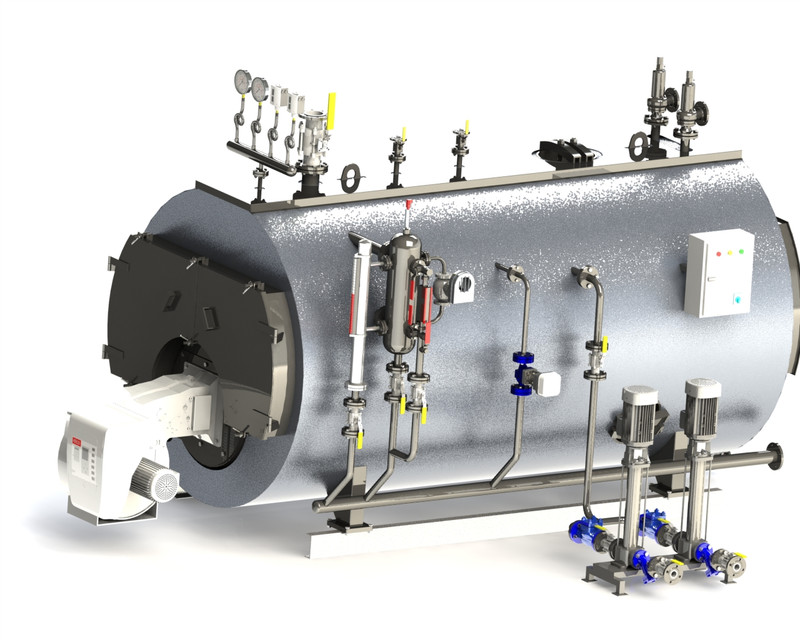
What is a Heat Exchanger?
A Heat Exchanger is a thermal equipment system used to transfer heat from one fluid to another without allowing the two fluids to mix.
It works by utilizing the temperature difference between hot and cold fluids. Heat flows from the hotter fluid to the colder fluid through a heat transfer surface, allowing the required heating or cooling process to take place.
Heat Exchangers are widely used in industrial applications to recover waste heat, preheat process fluids, cool equipment and maintain specific operating temperatures.
They play an important role in improving energy utilization, reducing operating costs and enhancing the overall efficiency of industrial processes.
How Does a Heat Exchanger Work?
A Heat Exchanger operates on the principle of thermal energy transfer between two fluids at different temperatures.
Working Process:
1. Hot Fluid Entry
The hot fluid enters the heat exchanger through the designated inlet.
2. Cold Fluid Entry
The colder fluid enters through a separate flow passage.
3. Heat Transfer
Thermal energy moves from the hot fluid to the cold fluid through the heat transfer surface.
4. Temperature Exchange
The hot fluid loses heat while the cold fluid gains heat.
5. Fluid Outlet
Both fluids exit through their respective outlets at the required temperatures without mixing in indirect heat exchangers.
Key Benefits of Heat Exchangers
1. Improved Energy Efficiency
Utilizes available thermal energy effectively by transferring heat between process fluids, helping optimize industrial energy consumption.
2. Waste Heat Recovery
Recovers usable heat from hot process fluids and exhaust streams, reducing unnecessary thermal energy losses.
3. Reduced Operating Costs
Efficient heat transfer can help lower fuel and energy requirements in industrial heating and cooling operations.
4. Better Temperature Control
Helps maintain desired fluid temperatures for consistent and reliable industrial processes.
5. Enhanced Process Performance
Supports efficient heating, cooling and temperature regulation across different manufacturing operations.
6. Energy Conservation
Allows industries to reuse available heat, reducing dependence on additional heating energy.
7. Industrial Versatility
Suitable for a wide range of heating, cooling, condensation and heat recovery applications.