
- 24/7
Customer Service
- IBR Certified
Manufacturer
- Qualified
Expert Professional
IBR In-Bed Headers & Tube Assemblies for AFBC / CFBC Boilers
IBR In-Bed Headers & Tube Assemblies for AFBC / CFBC Boilers
Himani Boiler manufactures high-quality Inbed Headers and Tubes for AFBC (Atmospheric Fluidized Bed Combustion) and CFBC (Circulating Fluidized Bed Combustion) boilers. These pressure parts are designed to withstand severe erosion, high-temperature combustion zones, and continuous fluidized bed operation while delivering efficient heat transfer and reliable steam generation.
In-bed tube assemblies are installed inside the fluidized bed where they absorb heat directly from the combustion process. Properly designed headers and tubes significantly improve boiler efficiency, steam generation capacity, and operational stability in biomass, coal, bagasse, and multi-fuel boiler systems
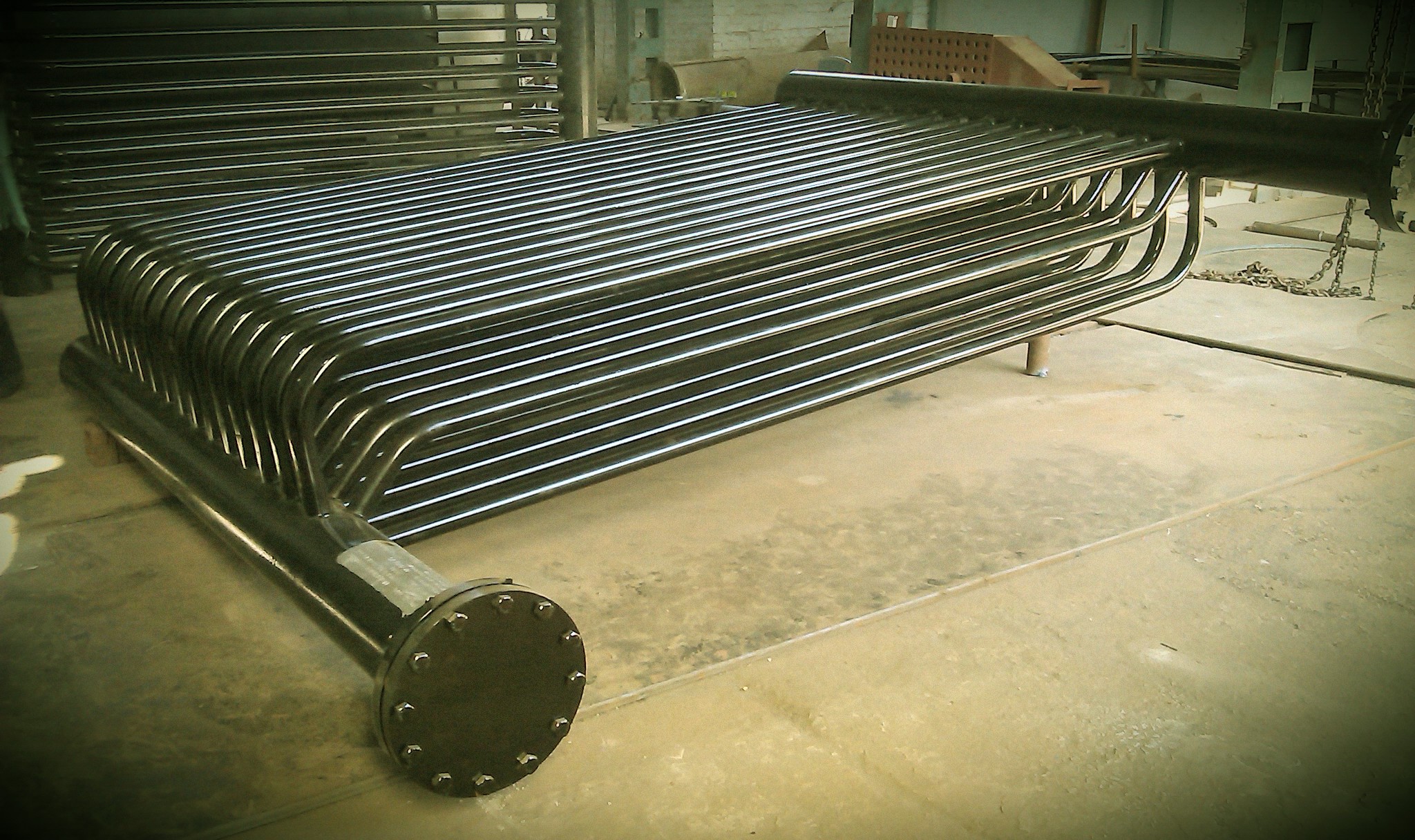
What Are Inbed Headers and Tubes?
Water Cooled Headers and Tubes are heat exchanger components cooled by water and located inside the fluidized bed of AFBC/CFBC Boilers. Water flows inside the tubes that are connected to headers, which pick up heat energy from the bed materials and combustion products. Heat energy collection improves the boiler evaporation efficiency and bed temperature control.
Key Features of Our Inbed Header & Tube Assemblies
Manufacturing that is IBR compliant
Durable and erosion resistant construction
Efficient heat transfer capacity
Able to be used in biomass, coal, bagasse, and multi-fuel boilers
Welded in a manner capable of handling high pressures
Long-lasting in an abrasive bed environment
Fabrication according to boiler design specifications
Applications
Advantages of Inbed Tube Systems
Efficient in-bed heat absorption provides several operational benefits:
Faster steam production
More efficient boiler operation
Effective control of bed temperatures
Savings on fuel
Greater combustion stability
Less heat loading on refractories
Fast reaction of the boiler to load variations